
Essential Tips for Keeping Your Houseplants Healthy and Vibrant
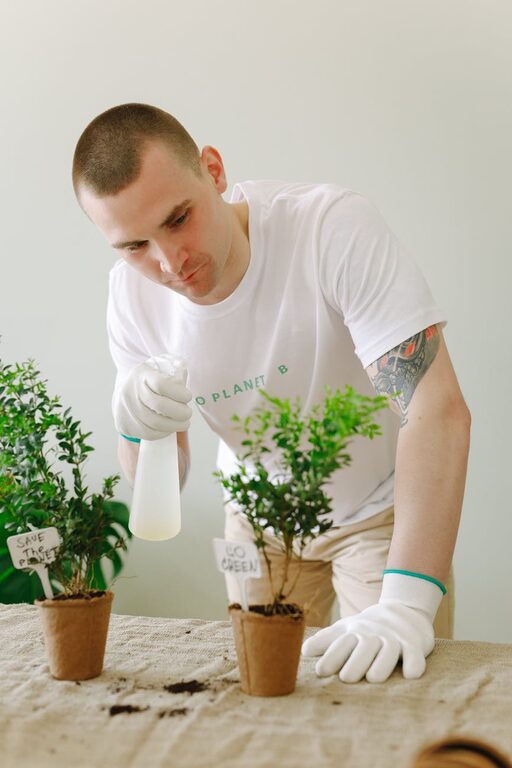
Bringing houseplants into your living space is a wonderful way to add life, beauty, and a touch of nature indoors. However, keeping them healthy and thriving can sometimes be tricky, especially for beginners. With the right care and attention, you can enjoy vibrant greenery and cleaner air in your home. This post shares practical tips to help you maintain your houseplants for the long haul.
Understanding Your Houseplants’ Needs
Each houseplant species has its own preferences when it comes to light, water, humidity, and soil type. The first step to healthy plants is learning about the specific needs of the varieties you own.
– Light: Some plants like bright, direct sunlight (such as succulents and cacti), while others prefer indirect or low light (like snake plants and peace lilies).
– Water: Overwatering is a common mistake. Pay attention to how much and how often your plants need watering based on their type and the season.
– Humidity: Tropical plants thrive in humid environments, while desert plants do well with dry air.
– Soil: Well-draining soil is essential, but the mix varies. Orchids, for example, need a chunky, airy medium, while other plants prefer standard potting mix.
Tips for Healthy Houseplants
1. Choose the Right Pot and Soil
Using pots with drainage holes prevents water from stagnating at the bottom and causing root rot. Pair this with appropriate soil — for succulents, use a sandy mix; for ferns, a more moisture-retentive soil is better.
2. Water Properly and Consistently
– Check soil moisture before watering by inserting your finger about an inch deep.
– Water when the soil feels dry, but avoid letting it dry out completely for tropical plants.
– Water in the morning so plants can absorb moisture before cooler nighttime temperatures.
3. Provide Adequate Light
Place your plants where they receive the right amount of light. Rotate plants periodically to ensure even growth and prevent one side from becoming leggy.
4. Maintain Ideal Humidity and Temperature
– Group plants together to create a microenvironment with higher humidity.
– Use a humidifier or place a tray filled with water and pebbles near plants, especially during dry winter months.
– Keep plants away from cold drafts and heating vents to avoid temperature shocks.
5. Feed Your Plants with Fertilizer
Houseplants need nutrients to grow well. Use a balanced, water-soluble fertilizer every 4-6 weeks during the growing season (spring and summer). Follow package instructions carefully to avoid fertilizing too much.
6. Prune and Clean Regularly
– Remove dead or yellowing leaves to keep plants healthy and encourage new growth.
– Wipe leaves gently with a damp cloth to remove dust, which can block sunlight.
7. Watch for Pests and Diseases
Common pests include spider mites, aphids, and mealybugs. Inspect plants regularly, especially undersides of leaves. Use natural pest control methods like insecticidal soap or neem oil if needed.
8. Repot When Necessary
Repot your plants every 1-2 years to give them fresh soil and room to grow. Signs your plant needs repotting include roots coming out of drainage holes, slowed growth, or soil drying out too quickly.
Bonus Tips for Beginners
– Start with easy-to-care-for plants like pothos, spider plants, or snake plants.
– Use plant care apps or journals to keep track of watering and fertilizing schedules.
– Avoid moving plants too often, as they can get stressed.
Conclusion
Keeping houseplants healthy doesn’t have to be complicated. By understanding their needs and providing the right environment, you can enjoy the beauty and benefits they bring indoors. Start with a few plants, follow these tips, and watch your indoor garden flourish!
Happy planting!